100 mL Glass Conical Flasks – Precision Erlenmeyer Reaction & Titration Flasks
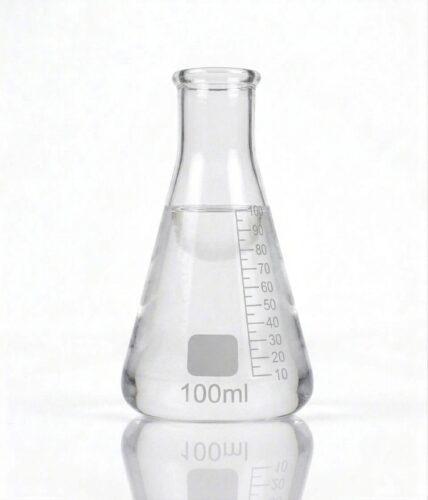
100 mL Glass Conical Flasks provide a versatile, heavy-duty vessel solution for quantitative titrations, reagent preparation, cell culture media boiling, and general liquid handling. The classic Erlenmeyer conical shape minimizes liquid evaporation while allowing smooth, circular mixing without splashing. Designed with uniform wall construction and a balanced flat bottom, these flasks guarantee even heat transfer across hot plates, heating mantles, and water baths. Their narrow neck readily accommodates standard rubber stoppers, corks, or cotton plugs, preserving sample integrity and preventing atmospheric contamination across scientific workflows in Pakistan.
Key Applications:
-
Quantitative Titrations: Ideal for acid-base and volumetric titrations requiring hand-swirling and precise color endpoint detection.
-
Reagent & Media Preparation: Suited for dissolving solutes, preparing growth media, and mixing chemical reagents safely.
-
Thermal Heating & Refluxing: Designed for controlled boiling and heating of small to medium liquid volumes on laboratory hot plates.
Specifications & Properties:
-
Product Name: 100 mL Glass Conical Flask / 100 mL Erlenmeyer Flask
-
Nominal Capacity: 100 mL working volume (with safe capacity up to max graduation)
-
Material Composition: Heat-resistant laboratory glass
-
Style/Design: Narrow-neck Erlenmeyer pattern with flat base, conical body, and heavy-duty reinforced rim
-
Graduation Markings: Permanent white ceramic enamel graduation scale with approximate volume increments (e.g., 20 mL marks)
-
Thermal Tolerance: Designed for standard laboratory heating, autoclaving, and thermal endurance
-
Chemical Resistance: Exceptional resistance to mineral acids, alkalis, salts, organic solvents, and biological fluids
-
Packaging Options: Individual protective wrapping or inner pack boxes of 6, 10, or 12 units
-
Storage Conditions: Store securely on flat laboratory shelving or drying racks away from mechanical vibration and edge hazards.
Safety & Handling:
-
Hazard Class: Non-hazardous laboratory glassware prior to use. Thermal burn hazard when heated; laceration hazard if cracked or broken.
-
Handling & Usage: Inspect for micro-cracks or star fractures prior to heating. Heat uniformly using a wire gauze pad or ceramic hot plate surface. Never clamp neck too tightly to avoid stress fractures.
-
Disposal: Dispose of broken or chemically contaminated glassware in designated rigid glass waste bins or sharps containers per laboratory biosafety regulations.