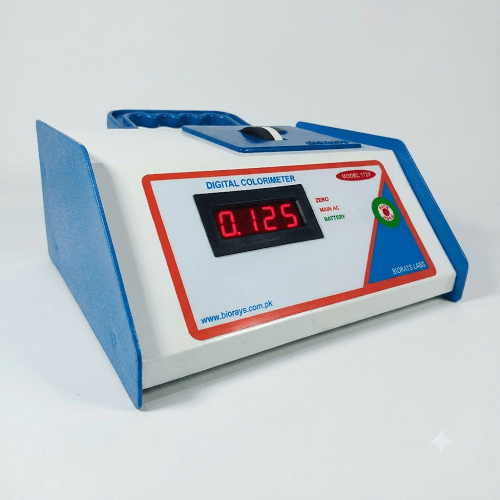
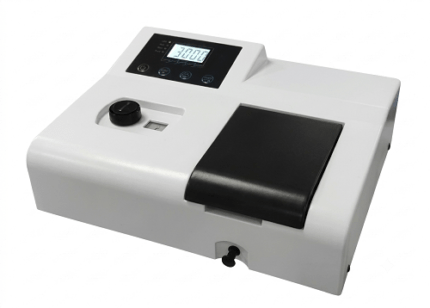
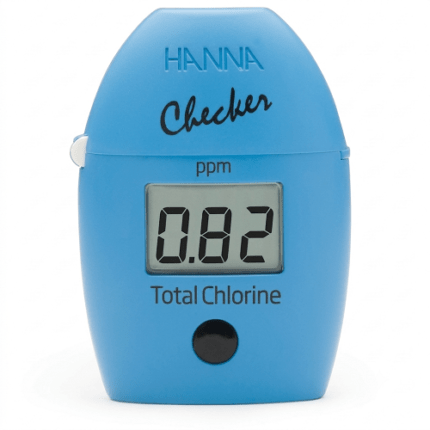
A digital colorimeter is an electronic instrument that measures color intensity or the concentration of a known solute in a solution by analyzing the absorbance or transmission of specific light wavelengths. It is widely used in chemical, biological, and clinical labs for tasks like analyzing blood chemistry and water testing.
Digital colorimeters typically feature a rotating disc with 5 to 8 standard glass filters, covering a wavelength range of 400 to 700 nm. The instrument operates using the Beer-Lambert law, which states that the concentration of a solute is directly proportional to its light absorbance.
To use a laboratory colorimeter:
- Zero the instrument: Fill a cuvette with distilled water, insert it into the sample holder, and adjust the reading to 0.00 absorbance (100% transmission).
- Select the filter: Rotate the knob to the optimal wavelength for the chemical solution you are testing.
- Insert the sample: Replace the water cuvette with your prepared chemical sample.
- Read the results: The LED display will show the exact absorbance, transmittance, or concentration level.